
Selling Herself Short and the Reality of Experience
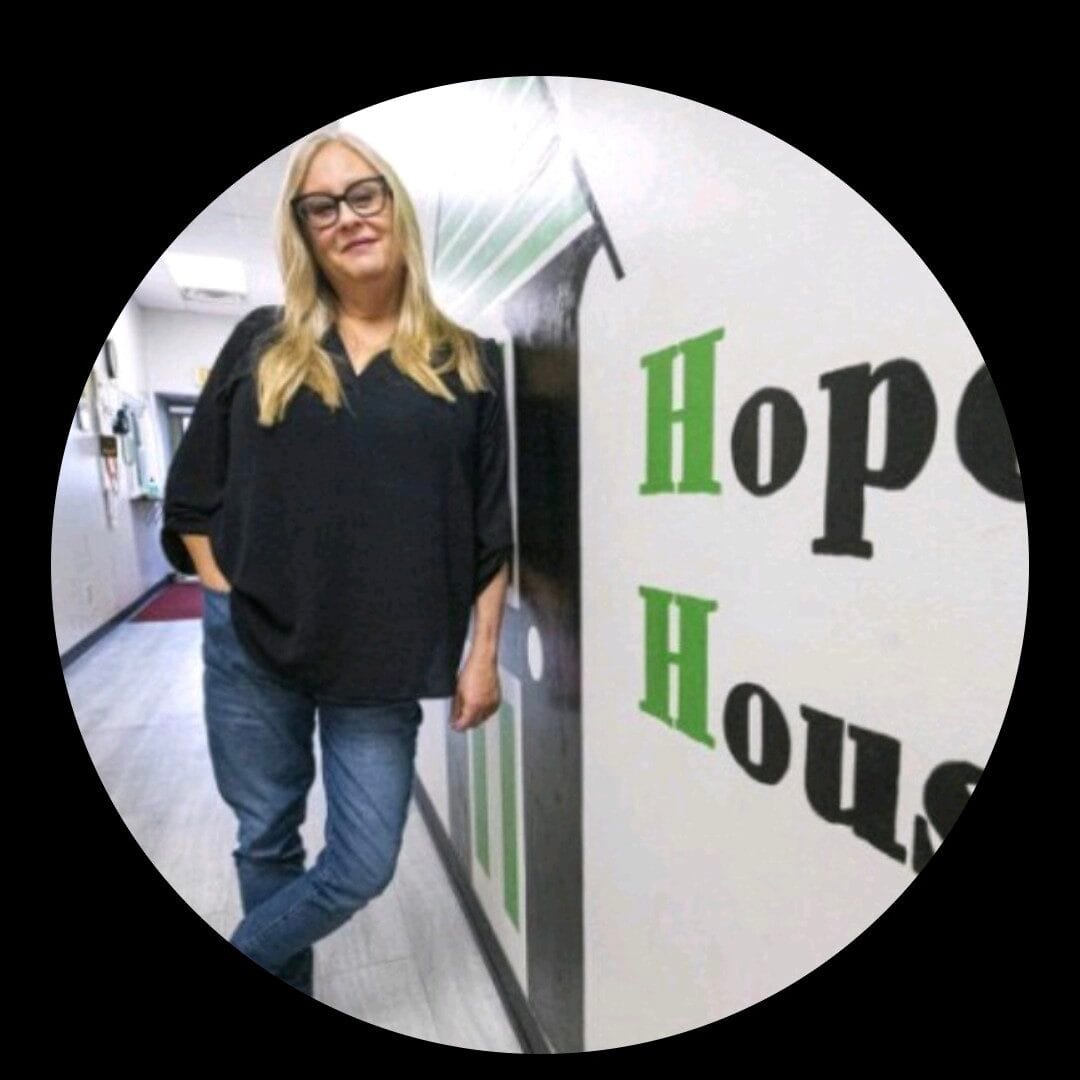
Early in our conversation, Karen casually estimated she had about six years of experience in the field. But as we talked, tracing her work through counseling, child welfare, nonprofit leadership, community outreach, and volunteer work, it became clear she had been selling herself short.
Karen brings more than 15 years of experience to her role at Hope House. Her background includes:
A bachelor’s degree in psychology
Extensive DCS training and field experience
Prime for Life prevention training
Executive leadership training through the School of Philanthropy
Experience across counseling, nonprofit leadership, and community-based services
Service as a veteran, shaping both her perspective and leadership style
Like many people in this field, Karen didn’t initially recognize the full weight of her experience, a common thread among those drawn to service work.
Two Missions Under One Roof
Hope House operates as two interconnected parts:
The shelter, serving individuals and families.
The thrift store, which supports operations and provides an essential revenue stream. The thrift store is powered by staff and a deeply committed volunteer base, some serving for more than ten years.
“They love what they do, and they love being part of the mission,” Karen said.
While volunteers are vital, Karen is clear about boundaries, especially within the shelter. “This is their home. Dignity and privacy always come first.”
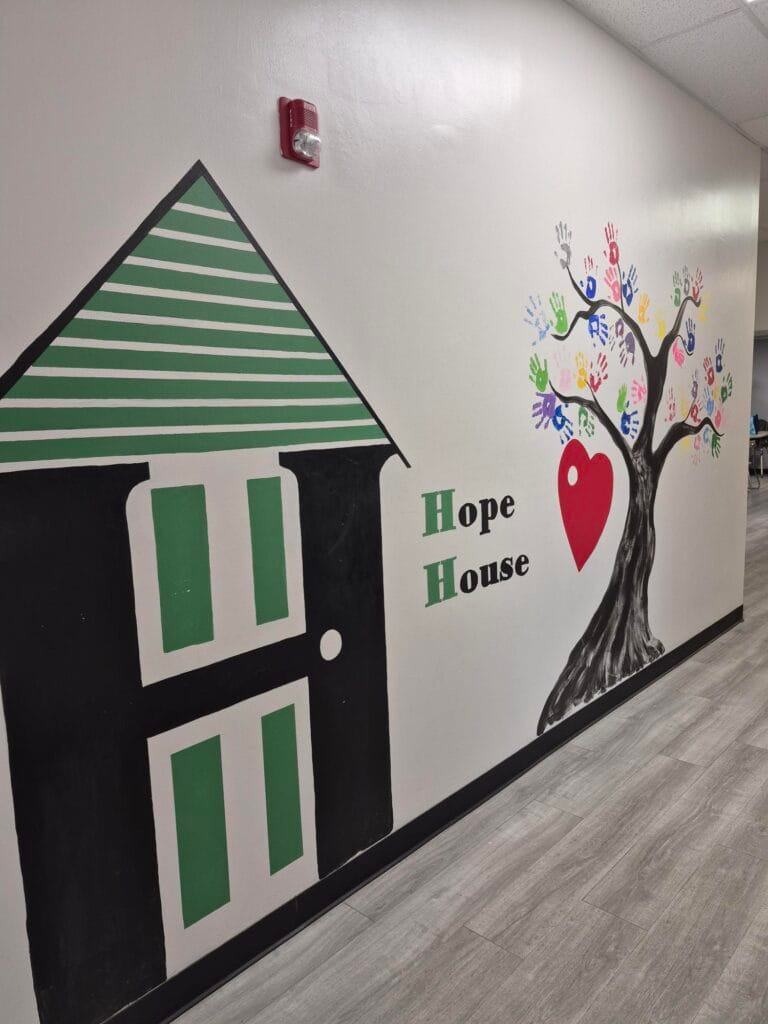
“This is their home. Dignity and privacy always come first.”
Staffing, Support, and the Weight of Responsibility
Leading a 24/7 shelter carries a mental load that doesn’t end when the day does. Decisions around resident safety, crisis response, staffing coordination, and long-term sustainability are ongoing. Karen is intentional about boundaries and self-care, not because it comes easily, but because she knows the work can quickly become overwhelming if not managed with care.
Despite the challenges, Karen consistently returns to one focus: her staff. “They don’t do this for the money. They do it because they care about the residents and about each other.”
Hope House operates around the clock with a small, dedicated team. Staff work closely together to ensure coverage, support one another, and make time off possible when needed. Financial limitations shape how many positions the organization can sustain, but the people in place carry significant responsibility with professionalism, teamwork, and compassion.
To further support residents beyond immediate shelter needs, Hope House partners with Howard Health to provide on-site therapy, an important piece in addressing underlying trauma and supporting long-term stability.
Who Thrives in This Work & Advice for Those Entering the Field
Karen shared that thriving in social services starts with one essential quality: you have to love people. She explained that when people hear that, they often assume you need to be extroverted but she doesn’t see herself that way, and she wants others to know that you don’t have to be outgoing to succeed.
Key traits for success include:
Adaptable
Comfortable with uncertainty
Able to set boundaries
Intentional about self-care
She emphasized that learning to “leave it at the door” doesn’t happen overnight, it develops with time, experience, and practice.
For those considering a career in social services, Karen offered grounding advice:
It’s okay to try different roles; not fitting in one position doesn’t mean the field isn’t for you.
Support roles, including clerical and administrative staff, are essential to the work’s success.
Continued education is vital: ongoing training builds confidence, reduces burnout, and helps retain staff in a field that demands so much emotionally.
Karen hopes to expand continued education opportunities for her team in areas like trauma-informed care, de-escalation, and motivational interviewing underscoring how investing in learning strengthens both staff and the people they serve.
Breaking Down Stigma
Karen often encounters flawed assumptions about people experiencing housing instability, like:
Why don’t they just get a job?
Why don’t they just save money?
She gently pushes back, reminding people how quickly circumstances can change: one job loss, one medical bill, one unexpected crisis.
Education is one of the most powerful tools in breaking stigma, and it’s central to Hope House’s mission. Karen emphasizes community education as a key strategy: “It’s so much closer to you than you think.” Reducing stigma helps people understand that one unexpected event can change everything.
A Moment That Changed Her
Karen shared a story from The Pour House in Indianapolis that still stays with her. She built rapport with a hesitant man on the margins of the Circle downtown. Over time, he shared his story, a sudden job loss from a high-paying position, followed by increased drinking and divorce. He was completely out of his element.
What struck Karen most wasn’t just his story, it was what happened next. She watched as other men already experiencing housing instability took him in, offering socks for warmth, guidance, and support.
“There’s nothing that has changed me more than watching that process,” she said. She now sees echoes of that same dynamic even here in Hancock County.
Leadership, Fear, and Caring Deeply
Karen describes her leadership style as collaborative and rooted in humility. To her, leadership isn’t about having all the answers, it’s about knowing who to lean on, when to ask for help, and staying open to learning along the way.
Stepping into her first role as Executive Director hasn’t come without fear. “I’m terrified,” she admits, not because she doubts the mission, but because she cares deeply about doing the role well. That fear, she explained, comes from a desire to honor both the organization’s long history and the people it serves. Rather than seeing fear as a weakness, Karen views it as a reflection of her commitment to responsible, thoughtful leadership.
That same care shows up in how she approaches supervision. For Karen, strong leadership begins with modeling the values she hopes to see in her team. A strong supervisor, she believes, models self-care, sets healthy boundaries, practices transparency, and takes ownership when mistakes are made. “If I expect it from my team, I have to model it myself,” she shared.
By leading this way, Karen creates an environment built on trust one where growth feels possible and fear doesn’t have to take the lead.
Learn more about The Hope House or how to volunteer: https://www.hancockhopehouse.org/
Closing Reflection
Welcome to the Nest! 🌿 This is a space for growth, creativity, and supportive dialogue. To keep this community safe and helpful for everyone:
- Be Kind: Treat others with the same empathy you’d bring to a clinical space.
- Privacy Matters: Please don’t share specific identifying details.
- Constructive Only: Disagreement is fine; disrespect is not.
- Note: To prevent spam, all comments are held for manual approval by yours truly.
Leave a Comment