
This post shares my personal experience, not therapy or medical advice; bodies and nervous systems respond differently, and I recognize that approaches that supported me, such as structure or measurement, may be unhelpful or harmful for others.
Taking My Power Back
For forty days, I ate only vegetables, fruit, beans, nuts, and drank water.
No sugar, bread, pasta, or meat.
I didn’t set out to do this as a challenge or to prove anything to anyone else. I did it because my body had been asking for help for a long time, and I was finally ready to listen. I’ve struggled with stomach issues for years, and I wanted a reset, something simple enough that when I reintroduced foods, I could actually notice what was helping and what wasn’t.
But if I’m being honest, the physical symptoms were only part of it.
I also knew I had an unhealthy relationship with food. I’m an emotional eater. Food noise has always been loud for me, and sugar in particular gave me quick dopamine hits, relief, comfort, distraction. The more I learned about how sugar affects the brain and nervous system, the more things clicked. I started realizing that if I was constantly turning to food, my nervous system wasn’t regulated. And when I looked closer, I noticed it had gotten worse after I started school. Practicum projects, documentation, pressure to do well, everything in me wanted an A, wanted to perform, wanted to get it right. Food had been my coping strategy, and now it was even more obvious.
That was a big wake-up call.
What I Was Noticing Before I Started
Before the fast even began, I could already see patterns, especially at work. Any time I was completing documentation, juggling multiple tasks, or sitting down to focus, my instinct was to reach for something to eat. Not because I was hungry, but because I was overwhelmed, antsy, dysregulated. Food was how I paused my feelings.
At work, food was constant. Ice cream, sweets, donuts, “thinking of you” treats. I told myself I wanted to lose weight, but I wasn’t actually taking care of my body in any consistent way.
That’s when I knew I needed something drastic, not extreme, but intentional.
How I Did the Fast
I got practical right away.
I printed a 40-day countdown sheet and marked it every single day. My favorite part was leaving it at work and when I came back on Monday, I could mark several days at once from the weekend. That small ritual mattered more than I expected. It reminded me I was actually doing it.
I sent a text to coworkers setting boundaries. I told them I was eating better and if they asked if I wanted something and I said no, to please leave it with that. No “Are you sures” and no “thinking of you” treats left on my desk. I knew their intentions weren’t bad, but I also knew I couldn’t explain how badly I needed to do this for myself.
At home, I set boundaries too. I started measuring my food and planning meals for work ahead of time. That alone was eye-opening. I realized how much I had been overeating, my idea of a serving size was way off. I had always said eating healthy was expensive, but once I stopped eating for pleasure and started eating to fuel my body, it wasn’t expensive at all. Leftovers didn’t bother me. Eating the same thing didn’t bother me. When food stopped being used for regulation and pleasure, it became simple.
The Hardest Part
The hardest part wasn’t giving up sugar or bread. It was navigating other people.
So many comments were well-meaning but hard to hear:
“I don’t know how you’re doing it.”
“I could never give up ___.” “Good for you, but I need my ___.”
“You know you could…” “Moderation is key” The list goes on….
I know the intentions weren’t bad, but I didn’t have the energy to explain how necessary this was for me. This wasn’t willpower, it was survival.
At work, the patterns I’d noticed before became impossible to ignore. When I didn’t reach for food, I felt restless. So instead, I took laps. I used the standing desk. I texted a friend. I talked to a coworker. Over time, I also brought snacks I could grab, measured popcorn, nuts, grapes, fruit, so if I did eat, it was planned and intentional for the day.
Emotionally, I felt torn. I stopped eating with the group. I felt standoffish. I felt like I was missing out. I even felt weak, like here I was, working in the mental health field, preaching about support, yet needing to step away and do this alone.
But I also know support has to fit you. If something is causing more stress than help, you have to change it.
There was a moment when a coworker told me my changes had inspired them. They were making their own changes and would come talk to me about their journey. It was incredibly supportive, probably the most supportive response I got, and yet, inside, it was overwhelming. Not because of food, but because I was putting myself first and really looking inward at how unhealthy my relationship with food had become. I couldn’t hold space for anyone else while I was doing that. It felt too raw. I’m a private person, which is ironic as I write this, but at the time, I just couldn’t engage.
I also had to check myself. I tend to isolate, and I needed to make sure I wasn’t isolating for the wrong reasons. This wasn’t about hiding. It was about protecting myself while I did work I had never done before.
The Honest Conversation
At home, I had to be honest with my man.
I told him how bad it had gotten, I was ashamed for not sticking with weight loss attempts, I wasn’t even trying at work, how afraid I was that he’d look at me differently. I knew he’d seen the weight over the years. He’d been encouraging. But I was scared he’d be embarrassed by me, or think I was ridiculous.
After I told him everything he made a joke, as I expected.
He didn’t look disgusted or like he wanted to run and his actions following the next 40 days were supportive and loving.
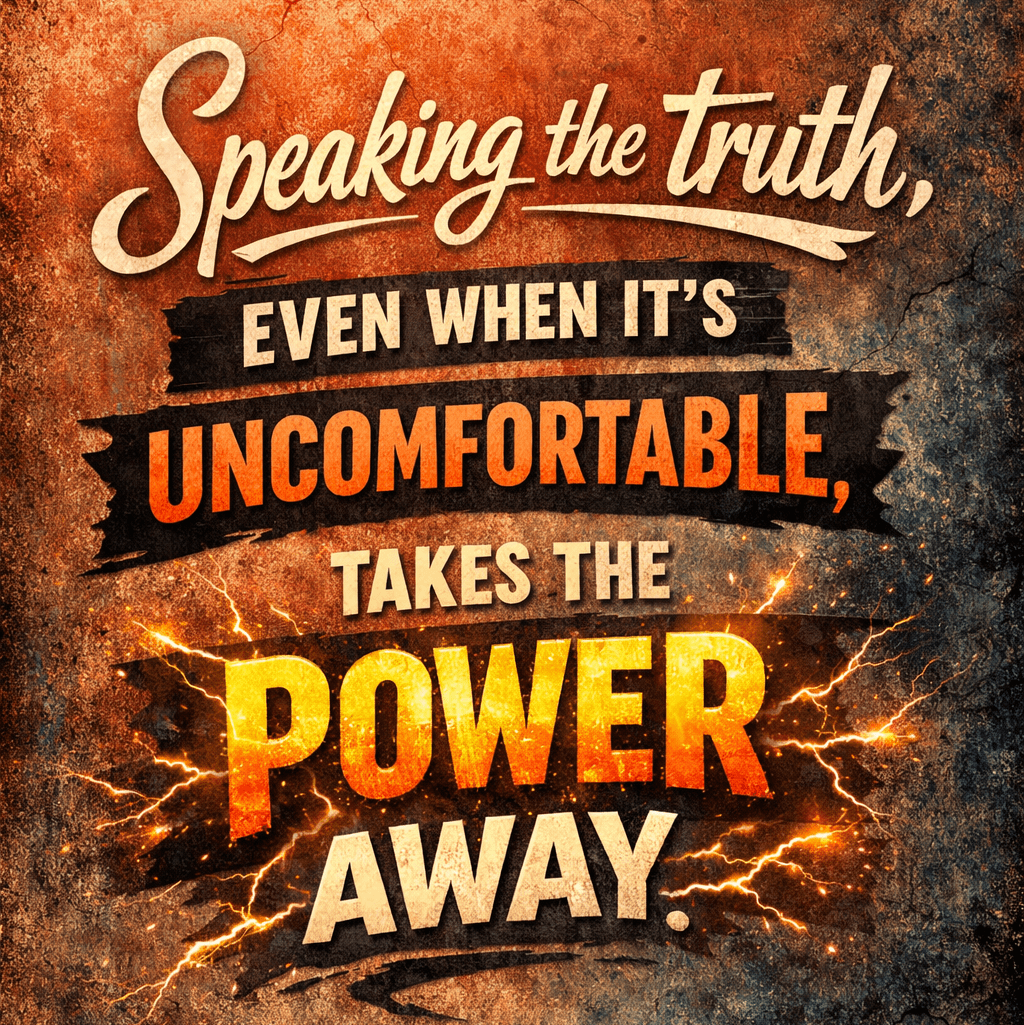
There’s a saying that changed my life: We are only as sick as our secrets. Shame grows in silence. Speaking the truth, even when it’s uncomfortable, takes the power away. Being honest with him felt freeing. Once it was all on the table, I could finally receive the support I actually needed.
Caring for Myself Beyond Food
This fast wasn’t just about what I ate.
I started using my breaks to walk or listen to a book. I went into work earlier to do homework so home time stayed protected for my family. I scheduled doctor and dentist appointments I had been putting off. I learned eating alone wasn’t lonely, it was self care, and I was at capacity. Intentional self-care takes energy, and learning to balance it is hard.
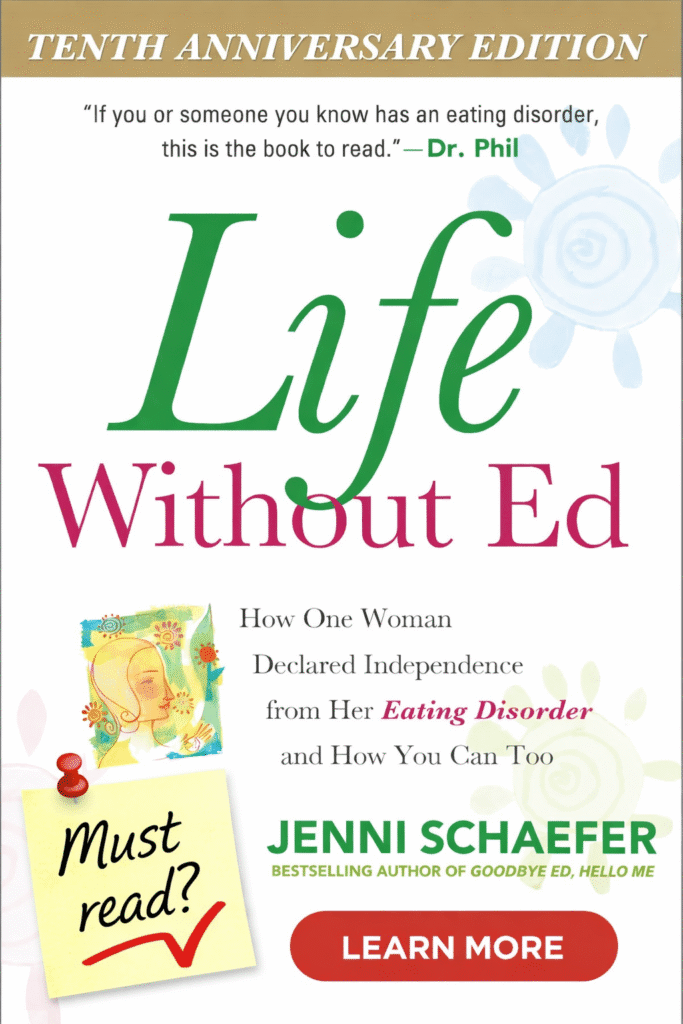
I also read Life Without Ed. The book is written from the perspective of someone recovering from anorexia, framing the disorder as a separate voice. While anorexia isn’t my struggle, so much of it resonated, body shame starting young, feeling “bigger,” and never truly loving myself. I remembered being the taller kid, not overweight, yet feeling fat. I look back now and can see I was shaped like many of my peers, yet at the time it didn’t feel that way. I avoided eating around my boyfriend early in our relationship. It was years of struggling with how I looked at myself or took care of myself, and I am so happy I am recognizing it now.
Here’s a link to the book Life Without Ed: https://amzn.to/3ZCFYzX
This is an affiliate link, which means I may earn a small commission if you choose to purchase — at no extra cost to you.
What I Gained
When I finished the forty days, I could not believe I did it.
I’ve been through a lot in my life, grief, being a teen mom, going to college, and I’ve persevered through all of it. But putting myself first in this way? I had never done that before. Not like this.
My stomach issues were so much better. But even more than that, my mind felt clearer. Food noise dropped dramatically after a few weeks. I felt calmer. More grounded.
Family time was the hardest layer. I’ve always taken pride in dinner as a family, we’ve sat together at the table almost every night for seventeen years. When food is tied to pleasure, comfort, and connection, making changes can feel like betrayal. I found myself making two different meals, sometimes eating before everyone else because dinner was late and I was hungry.
My boyfriend and I used to split meals, like he’d get noodles and I’d get rice at a Chinese restaurant, but we can’t do that anymore. That’s when it really hit me that my changes weren’t just affecting me; they were affecting the people around me too. All of it made me feel selfish. And maybe it was, but in a good way and it was necessary.
What I learned is that family dinner was never really about the food. Even on days when I ate ahead of time, I still sat with them and spent that time together. And I learned something else too: when someone loves you, minor inconveniences like that don’t actually matter at all.
After the fast, I reintroduced meat but continued avoiding sugar, bread, pasta for at least sixty more days, maybe longer. This isn’t punishment. It’s care.
Time and time again I’ve done this for the wrong reasons, but this time feels different because it’s honest. I’m not hiding. I’m not pretending. I want to live. I want to feel good and look good. My relationship is better than it’s ever been. The people I love deserve a regulated version of me. My man deserves me looking and feeling my best. And I deserve to live inside a body that feels steady instead of chaotic.
If You’re Reading This
If you’re struggling quietly, be honest with yourself. Ask what you actually need and what’s stopping you from making yourself a priority.
Your relationships get better when you take care of yourself. You can’t pour from an empty cup. You fill others from your overflow.
And sometimes, taking your power back looks like choosing yourself for the very first time.
This piece is a personal reflection intended for education and awareness, not a substitute for therapy or clinical treatment.